


No courses found in your cart!
Total: 0
No courses found in your cart!
Total: 0
.jpeg)
 you definitely can not afford to miss this. READ HERE https://www.hub.goglowonline.com/view-post.php?post_id=4, Thanks for always taking out time to read through our blog posts @ Goglow Hub! We are Happy that you enjoy it!&image=<img src='https://www.hub.goglowonline.com/upload/1782980391images (9).jpeg'/>) |
|
|
|
 you definitely can not afford to miss this. READ HERE https://www.hub.goglowonline.com/view-post.php?post_id=4, Thanks for always taking out time to read through our blog posts @ Goglow Hub! We are Happy that you enjoy it!&image=<img src='https://www.hub.goglowonline.com/upload/1782980391images (9).jpeg'/>) |
|
|
|
Every day, we interact with our environment without realizing how much it affects our health. The air we breathe, the water we drink, the food we eat, and the places where we live and work all influence our well-being. While many environmental factors support healthy living, others can expose us to harmful risks. This is where Environmental Health Risk Assessment (EHRA) becomes essential.
Environmental Health Risk Assessment is a scientific process used to identify, evaluate, and manage environmental hazards that may affect human health. It helps governments, healthcare professionals, organizations, and communities make informed decisions that reduce health risks and improve quality of life.
In this article, we'll explore what Environmental Health Risk Assessment is, why it matters, how it works, and what individuals and communities can do to reduce environmental health risks.
What is Environmental Health Risk Assessment?
Environmental Health Risk Assessment (EHRA) is the systematic process of identifying potential environmental hazards and determining the likelihood that they may cause harm to people.
The goal is not simply to identify hazards but to estimate the level of risk they pose and recommend practical measures to reduce or eliminate those risks.
Environmental hazards may include:
Why is Environmental Health Risk Assessment Important?
A proper risk assessment helps prevent diseases before they occur. Instead of waiting until people become sick, Environmental Health Risk Assessment identifies potential dangers early.
Its importance includes:
1. Disease Prevention
Many illnesses are linked to environmental conditions. Risk assessment helps reduce diseases such as:
2. Better Public Health Planning
Government agencies use environmental risk assessments when planning:
3. Protection of Vulnerable Populations
Certain groups are more sensitive to environmental hazards:
Risk assessment helps protect these vulnerable populations.
4. Environmental Conservation
Protecting the environment also protects human health.
Environmental Health Risk Assessment encourages sustainable practices that reduce pollution and preserve natural resources.
The Four Steps of Environmental Health Risk Assessment
Environmental Health Risk Assessment generally follows four major steps.
Step 1: Hazard Identification
This involves identifying environmental agents that may cause harm.
Examples include:
Questions asked include:
Step 2: Exposure Assessment
This step determines:
Step 3: Dose-Response Assessment
Scientists study how different exposure levels affect health.
For example:
Step 4: Risk Characterization
This is the final step where information from previous stages is combined.
Experts determine:
Sources include:
Possible illnesses include:
This can lead to foodborne illnesses.
Risk Management Strategies
Once risks are identified, appropriate control measures are implemented.
Examples include:
Individuals can:
The Role of Environmental Health Professionals
Environmental Health Officers perform important duties such as:
Environmental Health Risk Assessment in Nigeria
Nigeria faces several environmental health challenges, including:
Environmental Health Risk Assessment helps identify these problems and supports evidence-based solutions that improve public health.
How Communities Can Reduce Environmental Health Risks
Everyone has a role to play in creating a healthier environment.
Communities should:
New environmental threats continue to emerge, including:
Continuous monitoring and risk assessment are essential to address these evolving challenges.
Conclusion
Environmental Health Risk Assessment is one of the most effective tools for preventing disease and protecting communities. By identifying hazards, understanding exposure pathways, assessing health impacts, and implementing practical control measures, individuals and organizations can significantly reduce environmental health risks.
Healthy environments create healthy people. Whether at home, in schools, workplaces, healthcare facilities, or entire communities, taking proactive steps to identify and manage environmental hazards is an investment in a safer and healthier future.
At Goglow Health, we believe that environmental awareness is a shared responsibility. Every action—no matter how small—contributes to cleaner surroundings, healthier lifestyles, and stronger communities. By staying informed and adopting preventive measures, we can all play a part in building a healthier environment for ourselves and future generations.
Stay informed. Stay healthy. Protect your environment.



 Products & Services
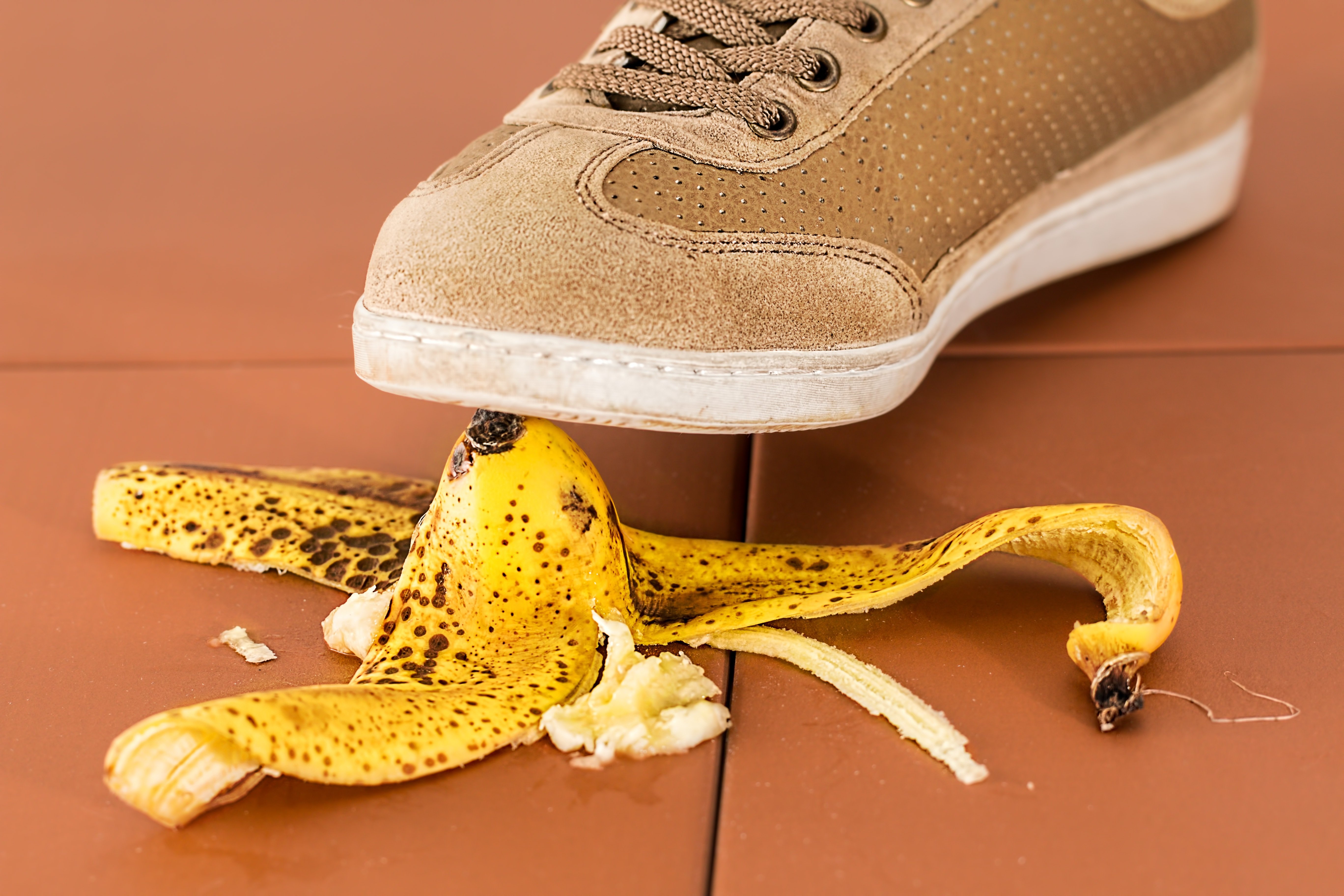 Risk Assessment
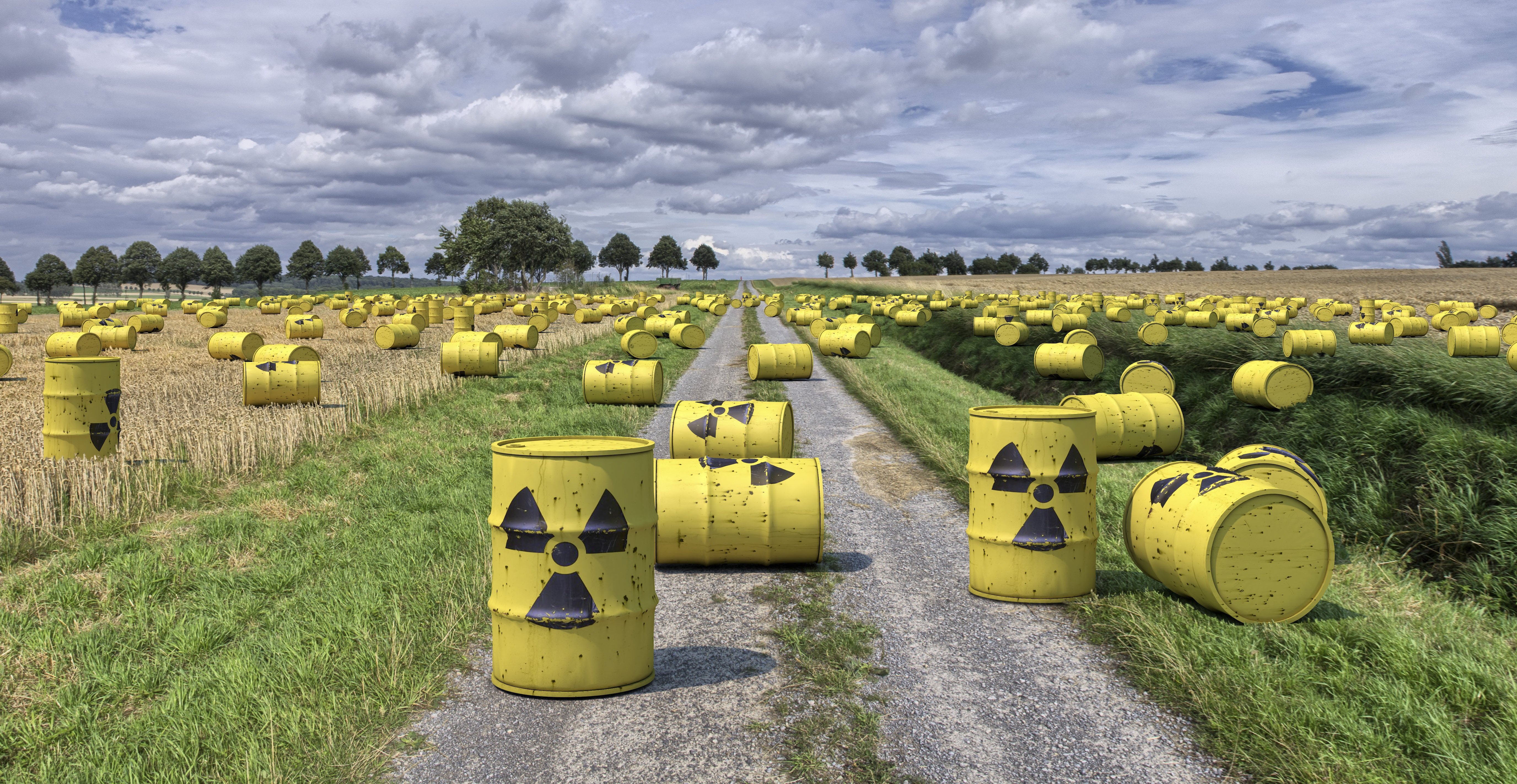 Harzadous Waste Management
 Vector Control
 Environmental Toxicology
 Emergency Response
 Food Safety Inspection
 Health Safety & Environment
 Environmental Monitoring
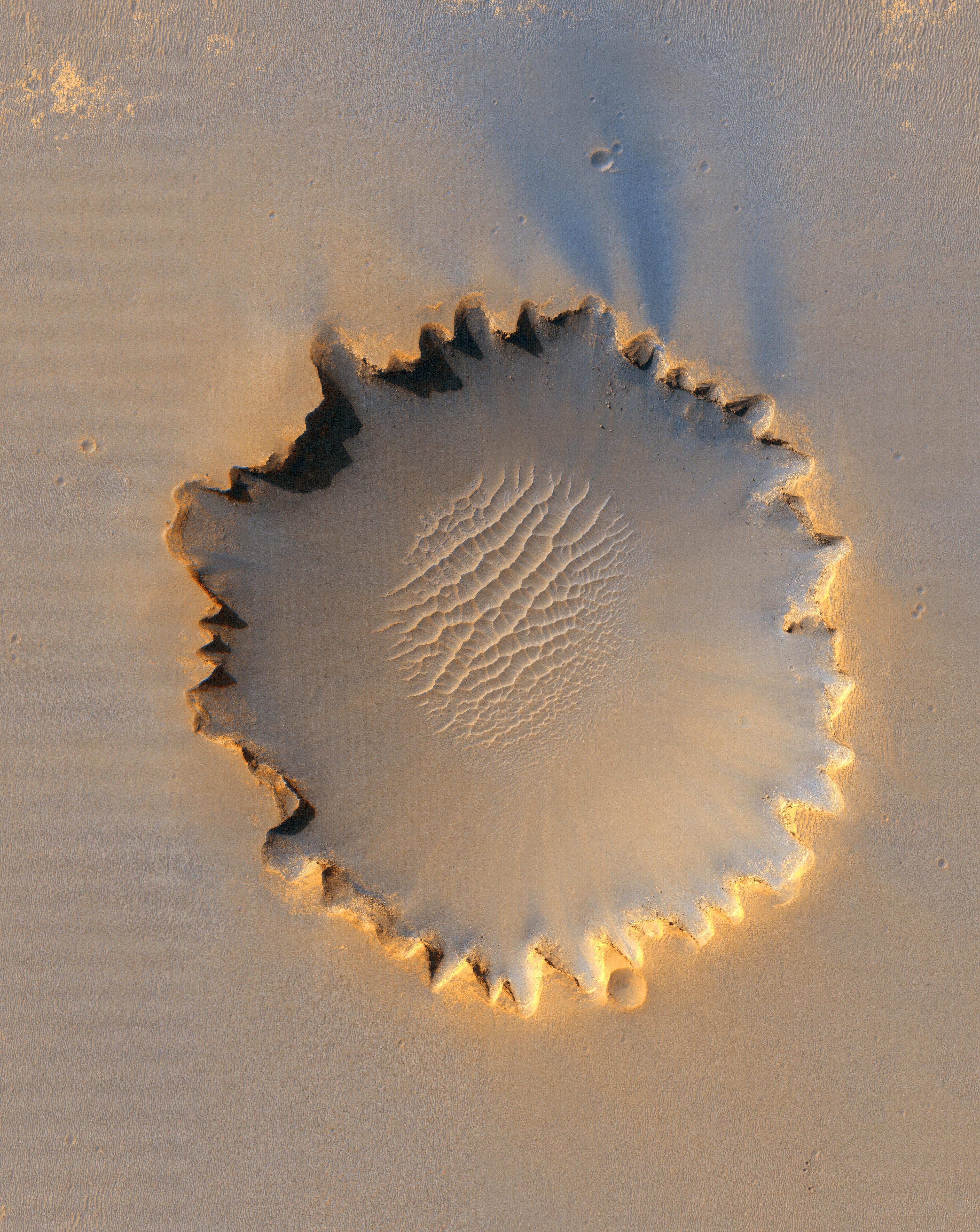 Climate Change
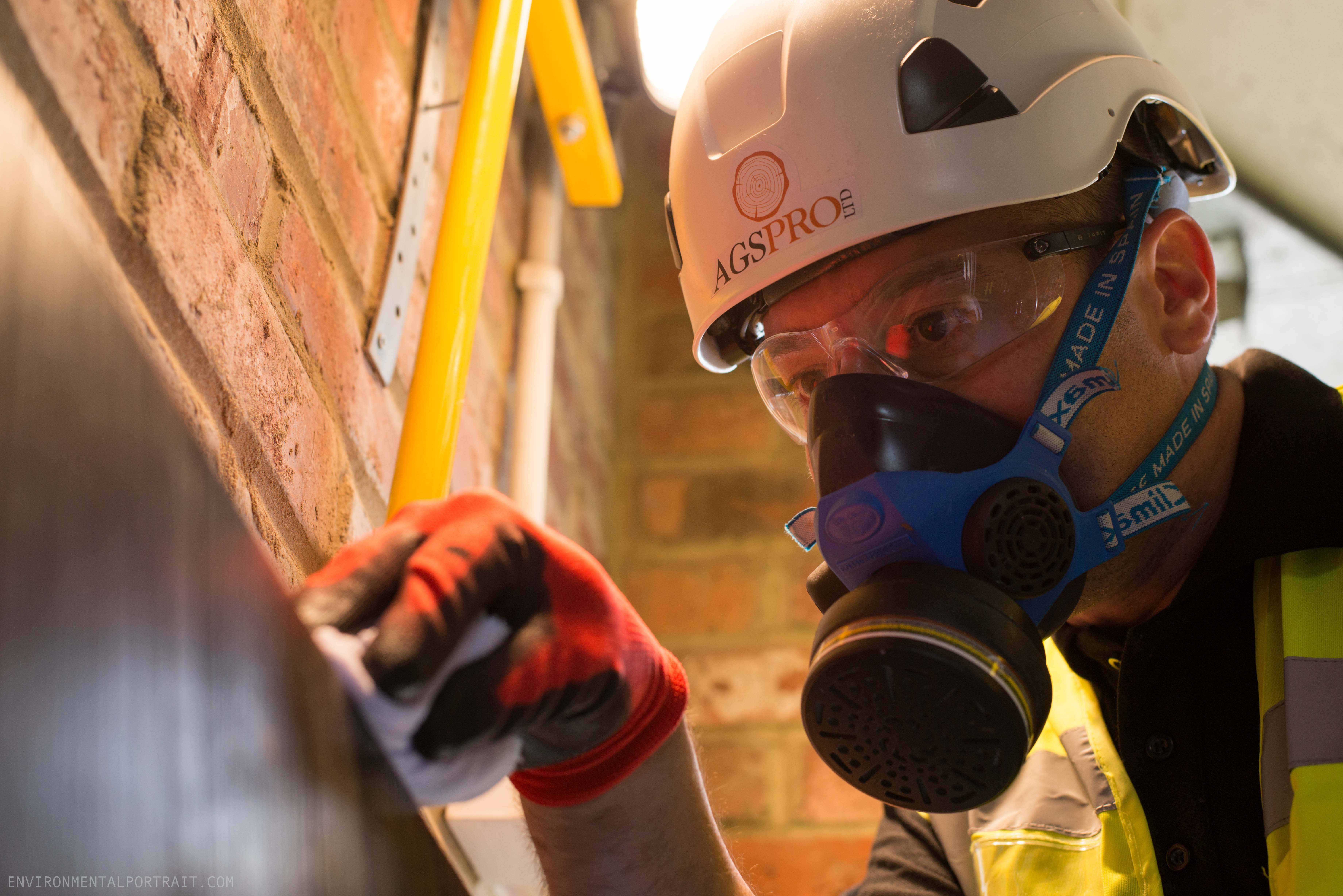 Air Quality
 EIA & HIA
 Environmental Justice


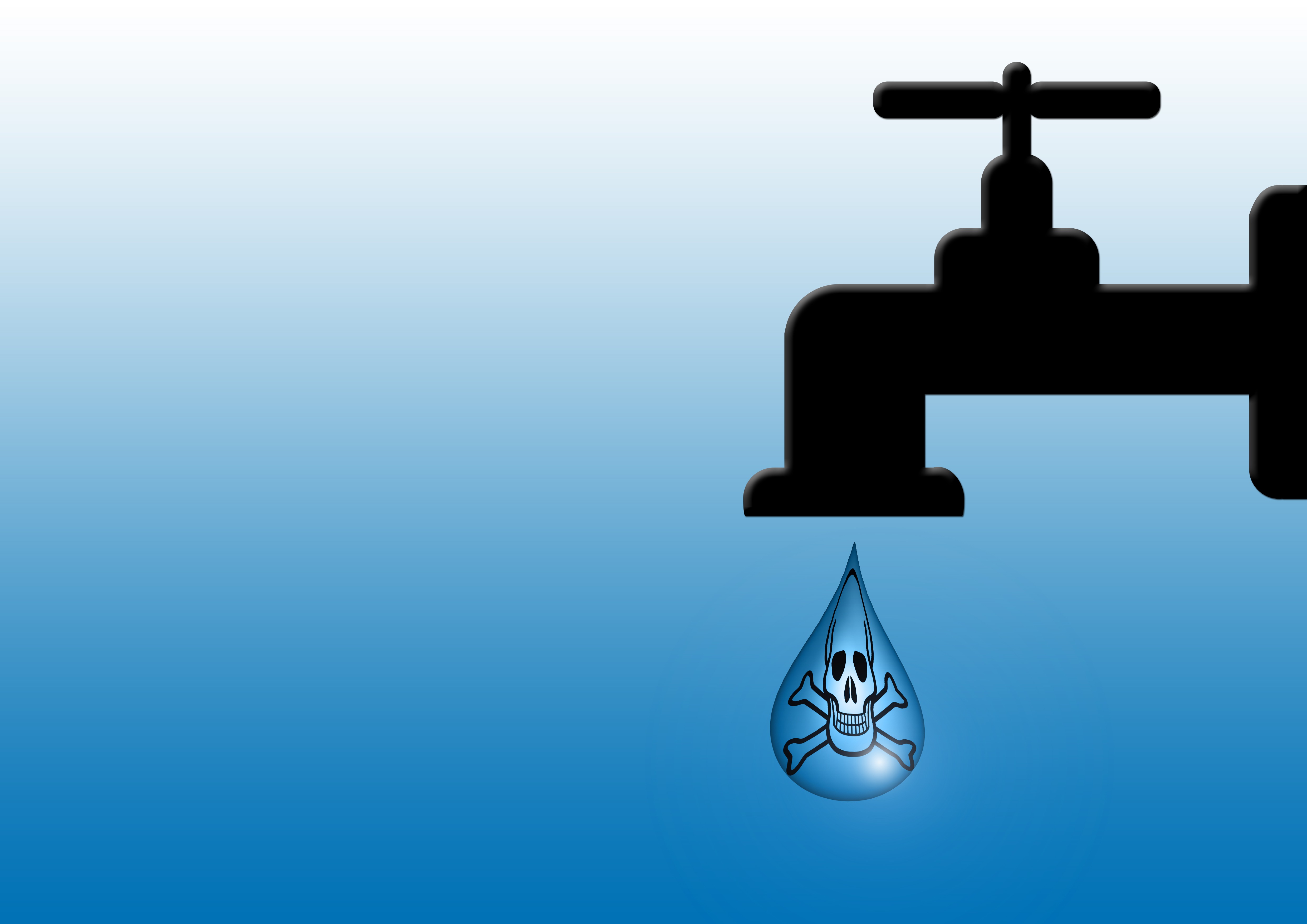 Water Quality
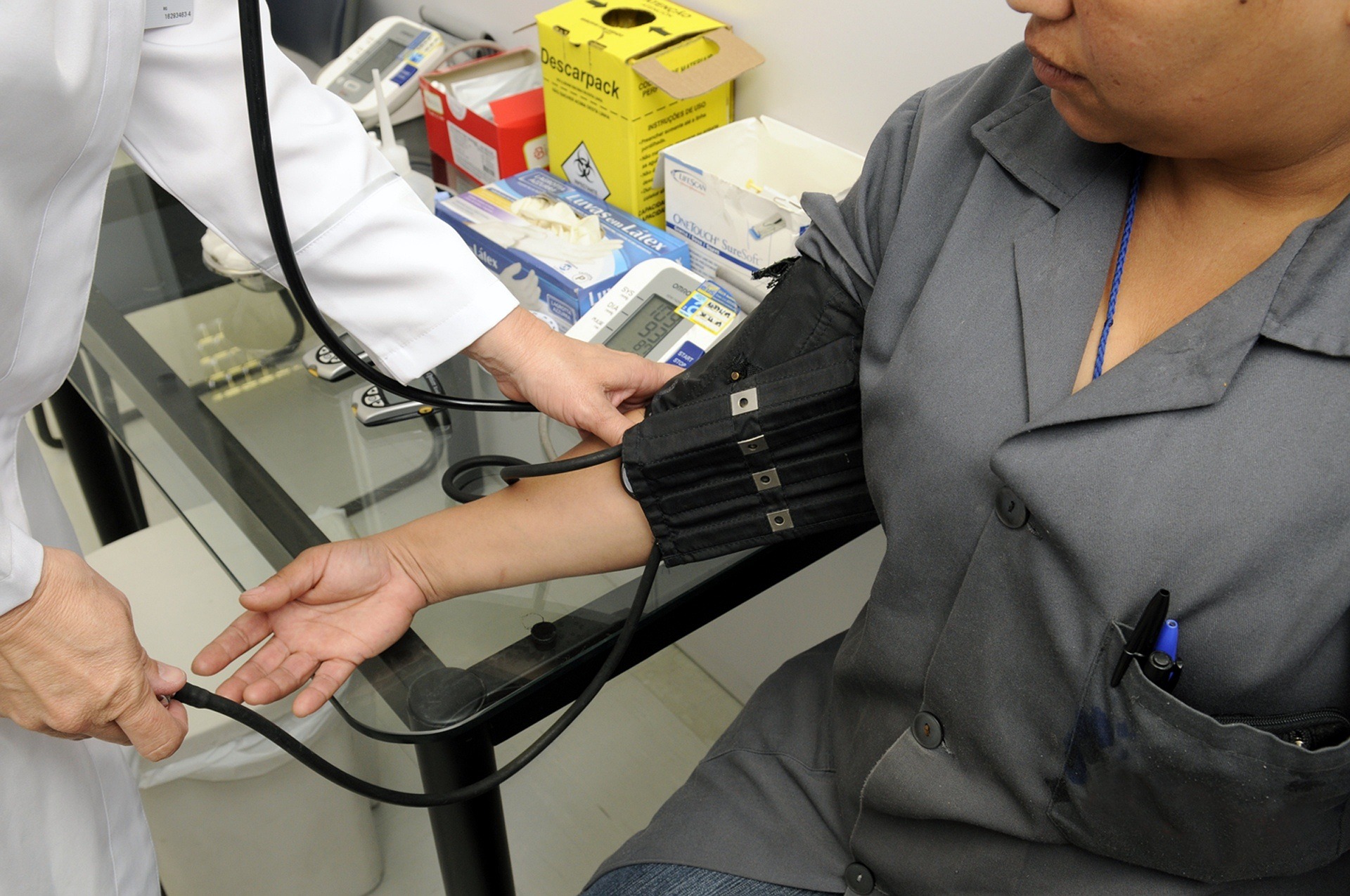 Environmental Epidemiology